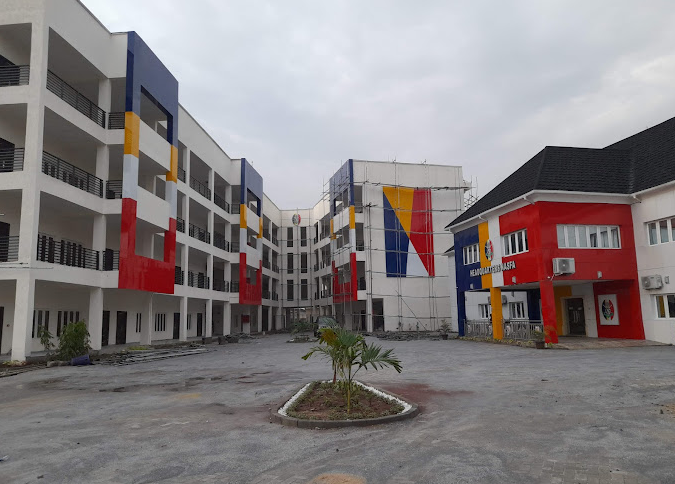

The Polytechnic Omuo‑Ekiti. Located in Omuo‑Ekiti, within Ekiti State, is one of the emerging institutions contributing to technical and vocational education in the country. The institution was established to provide quality education that combines theoretical knowledge with practical skills.
Polytechnics play a vital role in Nigeria’s educational system, with a focus on practical training, innovation, and career-oriented learning. Students who attend polytechnics often gain hands-on experience in fields such as engineering, technology, business administration, and computer science. This practical approach helps graduates develop the skills required to succeed in the modern workforce.
The Polytechnic Omuo-Ekiti has quickly gained attention among students seeking affordable, high-quality technical education. The institution offers National Diploma (ND) programmes designed to equip students with the knowledge and practical abilities needed for professional careers and entrepreneurship. Over time, the school has continued to attract applicants from different parts of Nigeria who are interested in pursuing technical and vocational education.
Admission into polytechnics in Nigeria typically requires candidates to participate in the Unified Tertiary Matriculation Examination, after which eligible applicants may apply for admission through the institution’s screening or post-UTME process. Students are also expected to meet specific O’Level requirements such as credits in English Language and Mathematics.
In this comprehensive guide, you will learn everything you need to know about The Polytechnic Omuo-Ekiti, including the courses offered, admission requirements, school fees, cut-off marks, and the step-by-step process for applying. Whether you are a prospective student, parent, or researcher looking for accurate information about the institution, this article provides a detailed overview to help you make informed decisions about studying at The Polytechnic Omuo-Ekiti.
History of The Polytechnic Omuo-Ekiti
The establishment of The Polytechnic Omuo‑Ekiti represents an important step toward expanding access to technical and vocational education in southwestern Nigeria. The institution was created with the aim of providing students with practical knowledge, professional skills, and career-focused training that aligns with modern industry demands.
Located in the peaceful town of Omuo‑Ekiti, within Ekiti State, the polytechnic was established to strengthen the region’s educational infrastructure and create opportunities for young people who want to pursue technical and professional careers. The town of Omuo-Ekiti has long been known for its commitment to education and community development, making it a suitable location for a higher institution focused on skill development and innovation.
The idea behind the creation of The Polytechnic Omuo-Ekiti was to promote practical education and support the economic development of the state and surrounding communities. In Nigeria, polytechnics play a unique role in bridging the gap between theoretical academic learning and practical workplace skills. By offering programs that emphasize technology, engineering, business, and applied sciences, polytechnics help prepare students to become entrepreneurs, technicians, and professionals capable of contributing to national development.
Since its establishment, The Polytechnic Omuo-Ekiti has continued to grow in both infrastructure and academic offerings. The institution was approved to run National Diploma programmes after meeting the required educational standards and regulatory guidelines. These standards are supervised by the National Board for Technical Education (NBTE), which is responsible for accrediting technical institutions and ensuring that polytechnics in Nigeria maintain quality education.
The approval from the National Board for Technical Education was a major milestone for the institution, as it allowed the school to begin offering structured academic programmes in various disciplines. These programmes are designed to equip students with both theoretical knowledge and practical skills, ensuring that graduates are well prepared for employment or further academic advancement.
Over time, the polytechnic has worked toward improving its facilities, academic staff, and student support services. Like many developing institutions, the school continues to expand its programmes and infrastructure to accommodate the growing number of students seeking admission. The management of the institution has shown commitment to providing an environment where students can learn, innovate, and develop the skills required for professional success.
Today, The Polytechnic Omuo-Ekiti is gradually becoming recognized as one of the emerging institutions contributing to technical education in the region. With its focus on practical training and skill acquisition, the school aims to produce graduates who are capable of competing in today’s technology-driven world.
As the institution continues to grow, it is expected that more academic departments, facilities, and programmes will be introduced in order to meet the increasing demand for technical and vocational education in Nigeria.
Courses Offered in The Polytechnic Omuo-Ekiti
One of the most important factors students consider before applying to any institution is the list of programmes available. The Polytechnic Omuo-Ekiti offers several academic programmes designed to provide students with practical knowledge, technical skills, and professional training that can help them succeed in their chosen careers.
Like most polytechnics in Nigeria, the institution currently offers National Diploma (ND) programmes across different academic disciplines. These programmes are structured to combine classroom learning with practical training so that students gain hands-on experience in their field of study.
All academic programmes offered by the polytechnic are regulated by the National Board for Technical Education, which ensures that institutions maintain proper standards in teaching, facilities, and curriculum development.
Below are some of the major courses offered at The Polytechnic Omuo-Ekiti.
Computer Science
Computer Science is one of the most popular courses offered at The Polytechnic Omuo-Ekiti. This programme focuses on teaching students the fundamental concepts of computing, programming, information technology, and software development.
Students studying Computer Science learn about:
- Programming languages
- Computer networking
- Software development
- Database management
- Cybersecurity basics
- Web development
The course prepares students for careers in areas such as information technology, software engineering, technical support, and digital services. Graduates can also continue their education by pursuing Higher National Diploma (HND) programmes or university degrees in related fields.
With the rapid growth of the digital economy, Computer Science graduates are in high demand across various industries, including banking, telecommunications, education, and technology startups.
Electrical and Electronics Engineering
Electrical and Electronics Engineering is another important programme offered at the polytechnic. This course focuses on the study of electricity, electronics, and electrical systems used in modern technology.
Students enrolled in this programme learn about:
- Electrical circuit design
- Power systems
- Electronics and digital systems
- Electrical installation and maintenance
- Industrial control systems
The course provides practical training that prepares students to work in industries such as power generation, telecommunications, electronics manufacturing, and electrical maintenance services.
Graduates of Electrical and Electronics Engineering can work as technicians, engineers’ assistants, or technical consultants. Many students also go on to establish their own electrical service businesses after completing their studies.
Public Administration
Public Administration is a course designed for students who are interested in government operations, public policy, and administrative management. The programme focuses on preparing students for careers in public service, government agencies, and administrative positions.
Students studying Public Administration learn about:
- Government structure and administration
- Public policy and governance
- Administrative management
- Organizational behavior
- Public sector finance
This programme helps students develop leadership and management skills needed to work in ministries, government offices, non-governmental organizations, and corporate administrative roles.
Graduates may also pursue further education in fields such as political science, governance, or public management.
Business Administration and Management
Business Administration is another programme that attracts many students every year. This course is designed to equip students with the knowledge and skills needed to operate and manage business organizations effectively.
The programme covers areas such as:
- Business management principles
- Marketing and sales strategies
- Accounting basics
- Entrepreneurship
- Business communication
- Human resource management
Students who study Business Administration gain the knowledge needed to start their own businesses or work in corporate organizations. The course also prepares graduates for roles in management, marketing, banking, and entrepreneurship.
Because Nigeria’s economy continues to expand in the areas of commerce and entrepreneurship, graduates of Business Administration have many opportunities to apply their skills in both private and public sectors.
Importance of Studying Technical Courses
Courses offered at The Polytechnic Omuo-Ekiti are designed to provide students with practical and career-oriented education. Unlike purely theoretical academic programmes, polytechnic courses often include laboratory work, technical workshops, and industry training.
This approach helps students develop the practical skills required by employers. It also encourages innovation, problem-solving, and entrepreneurship among graduates.
As Nigeria continues to develop technologically and economically, institutions like The Polytechnic Omuo-Ekiti play a vital role in training skilled professionals who can contribute to national development.
Students who complete their National Diploma programmes at the polytechnic may also continue their education through Higher National Diploma (HND) programmes or gain direct entry admission into universities to further their studies.
Polytechnic Omuo-Ekiti Admission Requirements

Gaining admission into The Polytechnic Omuo‑Ekiti requires prospective students to meet certain academic and institutional requirements. These requirements ensure that applicants possess the basic educational background needed to complete their programmes at the polytechnic.
Like most polytechnics in Nigeria, admission into National Diploma (ND) programmes at The Polytechnic Omuo-Ekiti is conducted through the Joint Admissions and Matriculation Board, which organizes the Unified Tertiary Matriculation Examination. Candidates who wish to study at the institution must register for the UTME and choose The Polytechnic Omuo-Ekiti as one of their preferred institutions.
Below are the major admission requirements for prospective students.
O’Level Requirements
Applicants seeking admission into ND programmes must possess at least five (5) credit passes in relevant subjects in their O’Level examinations.
These credits must include:
- English Language
- Mathematics
- Three other relevant subjects related to the chosen course
Acceptable O’Level examination results include:
- West African Senior School Certificate Examination
- National Examination Council examination
- National Business and Technical Examinations Board examination
Candidates may combine results from two sittings depending on the institution’s admission policy. However, it is always advisable for students to aim for strong grades in their first attempt to improve their chances of gaining admission.
UTME (JAMB) Requirement
Another important requirement for admission into The Polytechnic Omuo-Ekiti is participation in the Unified Tertiary Matriculation Examination (UTME) conducted by the Joint Admissions and Matriculation Board.
Candidates must:
- Register for the UTME examination.
- Select The Polytechnic Omuo-Ekiti as one of their preferred institutions.
- Choose subjects related to their intended course of study.
- Obtain the required minimum score for admission consideration.
While the official cut-off mark may vary each year, candidates are generally expected to score at least 120 or above in UTME to be eligible for admission into many polytechnic programmes in Nigeria.
Scoring higher in the examination significantly improves a student’s chances of gaining admission, especially for competitive courses.
Choice of Institution
Prospective students who wish to gain admission into The Polytechnic Omuo-Ekiti should ensure that the institution is selected during their UTME registration.
If a candidate initially chooses another institution but later decides to apply to The Polytechnic Omuo-Ekiti, they may be required to apply for a change of institution through the Joint Admissions and Matriculation Board portal.
This process allows students to update their preferred institution before the admission process begins.
Post-UTME Screening
After UTME results are released, institutions usually conduct a screening process to evaluate candidates for admission.
The screening process may involve:
- Online application form
- Verification of academic credentials
- Review of UTME score
- O’Level result verification
Applicants are expected to upload their academic documents and provide accurate personal information during the screening process. Providing false information may lead to disqualification from the admission process.
Age Requirement
Although there is no strict universal age requirement, candidates are generally expected to be at least 16 years old before they can be admitted into higher institutions in Nigeria.
Students who meet the academic requirements but are below the acceptable age may need to wait until they reach the appropriate age before completing their admission process.
Direct Entry Opportunities
Students who have already completed relevant technical or vocational training may sometimes gain admission through alternative pathways such as direct entry into advanced programmes.
For example, students who later complete their National Diploma (ND) may proceed to pursue a Higher National Diploma (HND) in related institutions. This pathway allows students to advance their education and specialize further in their chosen fields.
Important Tips for Applicants
Students who wish to gain admission into The Polytechnic Omuo-Ekiti should consider the following tips:
- Prepare adequately for the UTME examination.
- Ensure that O’Level results meet the required subject combinations.
- Apply early for the admission screening process.
- Provide accurate academic information during registration.
- Regularly check the school’s official portal for admission updates.
Following these steps can significantly improve a candidate’s chances of gaining admission into the institution.
Polytechnic Omuo-Ekiti School Fees
One of the major concerns for students planning to study at The Polytechnic Omuo-Ekiti is the cost of education. Understanding the school fees structure helps prospective students and their parents plan financially before applying for admission.
Compared to many private institutions in Nigeria, polytechnics generally offer affordable education, making them an attractive option for students who want quality technical training without extremely high tuition fees. The Polytechnic Omuo-Ekiti is no exception, as the institution aims to provide accessible education to students from different economic backgrounds.
Although school fees may vary depending on the programme, department, and academic session, students admitted into National Diploma (ND) programmes are usually required to pay several categories of fees during their first year.
Below is an overview of the common fees students may expect when studying at the polytechnic.
Tuition Fees
Tuition fees are the primary charges students pay for academic instruction and access to learning facilities.
For many ND students, tuition fees may range between:
₦50,000 – ₦80,000 per academic session
This amount may vary depending on:
- The department or course of study
- Institutional policies
- Additional academic resources required for the programme
Technical courses such as engineering programmes may sometimes attract slightly higher fees because of laboratory and workshop requirements.
Acceptance Fee
Once a candidate is offered admission, they are usually required to pay an acceptance fee to confirm that they are willing to accept the admission offer.
The acceptance fee is typically a one-time payment made before completing the full registration process.
Estimated acceptance fee:
₦20,000 – ₦30,000
Failure to pay the acceptance fee within the specified period may result in the admission being withdrawn or offered to another applicant.
Registration and Departmental Fees
Apart from tuition and acceptance fees, students may also pay additional charges related to administrative services and departmental activities.
These may include:
- Registration fees
- Departmental dues
- Student union fees
- Library fees
- Laboratory or workshop fees
- Examination fees
These fees help support the daily operation of the institution and ensure that students have access to necessary academic facilities.
Hostel Accommodation Fees

Students who wish to live within the school premises may apply for hostel accommodation if the institution provides residential facilities.
Hostel fees are usually charged separately from tuition fees and may depend on:
- Room type
- Number of occupants
- Available hostel facilities
Estimated hostel accommodation fees may range from:
₦20,000 – ₦40,000 per session
Students who prefer private accommodation may also find affordable housing in nearby communities around Omuo-Ekiti.
Payment Process
Students admitted into The Polytechnic Omuo-Ekiti typically complete their fee payments through the institution’s official portal or designated payment platforms.
The general payment process may include:
- Logging into the student portal
- Generating a payment invoice
- Paying through a bank transfer or an online payment system
- Printing payment receipt for registration confirmation
Students are advised to keep copies of their payment receipts and ensure that all payments are made through official channels approved by the institution.
Important Notice About School Fees
It is important to note that school fees can change depending on institutional decisions or new academic policies. Prospective students should always verify the most recent fee schedule through the institution’s official communication channels before making financial plans.
Despite possible changes in fees over time, The Polytechnic Omuo-Ekiti remains one of the institutions that aims to provide affordable and accessible technical education to students across Nigeria.
Breakdown of The Polytechnic Omuo-Ekiti School Fees
Below is a simple breakdown of the Polytechnic Omuo-Ekiti School Fees:
| Fee Type | Estimated Amount |
| Tuition Fee | ₦50,000 – ₦80,000 |
| Acceptance Fee | ₦20,000 – ₦30,000 |
| Hostel Fee | ₦20,000 – ₦40,000 |
Polytechnic Omuo-Ekiti Cut-Off Mark
One of the most important things prospective students want to know before applying to The Polytechnic Omuo‑Ekiti is the required cut-off mark for admission. The cut-off mark represents the minimum score candidates must obtain in the entrance examination to be considered for admission into the institution.
In Nigeria, admission into polytechnics and universities is coordinated by the Joint Admissions and Matriculation Board, which conducts the Unified Tertiary Matriculation Examination.
Candidates who wish to gain admission into The Polytechnic Omuo-Ekiti must participate in the UTME and obtain a score that meets or exceeds the institution’s minimum cut-off mark.
General Cut-Off Mark
For most polytechnics in Nigeria, the general minimum cut-off mark accepted for National Diploma (ND) programmes is typically 120 in the UTME examination.
This means candidates who score 120 or above may be eligible to apply for admission into The Polytechnic Omuo-Ekiti, provided they also meet other admission requirements such as the necessary O’Level credits.
However, it is important to understand that meeting the minimum cut-off mark does not automatically guarantee admission. Admission decisions also depend on other factors such as:
- Number of applicants for a particular course
- Candidate’s O’Level results
- Performance during the screening process
- Institutional admission policies for the academic year
Departmental Cut-Off Marks
While the general UTME cut-off mark may be 120, some departments may require higher scores depending on the popularity of the programme and the number of applicants.
For example, competitive courses such as:
- Computer Science
- Electrical and Electronics Engineering
- Business Administration
may receive a larger number of applicants. In such cases, the institution may prioritize candidates with higher UTME scores during the admission process.
Therefore, students are strongly encouraged to aim for higher scores, such as 140, 150, or above to improve their chances of gaining admission.
Importance of a High UTME Score
Scoring well in the UTME examination offers several advantages to applicants. Students who obtain higher scores usually have better chances of being considered for admission, especially when applying for competitive programmes.
A strong UTME score also increases the likelihood of being shortlisted during the institution’s screening process.
For this reason, candidates preparing for the UTME examination should study carefully and aim to achieve the highest score possible in other to meet up with Polytechnic Omuo Ekiti cut off mark.
Additional Admission Considerations
Apart from meeting the required cut-off mark, applicants must also satisfy other admission conditions such as:
- Having the required O’Level credits
- Completing the institution’s screening process
- Providing accurate academic information during registration
Candidates should also ensure that The Polytechnic Omuo-Ekiti is selected as one of their preferred institutions during UTME registration or through a change-of-institution process if necessary.
Staying Updated on Admission Requirements
Admission requirements, including Polytechnic Omuo Ekiti cut off mark, may change depending on the academic session and institutional policies. Therefore, prospective students should always stay informed by checking official announcements released by the institution.
Regularly visiting the school’s official admission portal or contacting the admission office can help applicants stay updated on the latest information regarding the admission process.
How to Apply for Admission into The Polytechnic Omuo-Ekiti
Applying to The Polytechnic Omuo-Ekiti is a straightforward process, but it requires careful attention to detail to ensure eligibility and successful registration. Prospective students are expected to follow specific steps outlined by the institution and meet all admission requirements before their applications can be processed.
Step 1: Check Eligibility
Before applying, ensure you meet the following criteria:
- Minimum of five (5) O’Level credit passes, including Mathematics and English Language
- UTME score of at least 120, with higher scores increasing admission chances
- Relevant subject combinations for the chosen course
- Age requirement: typically 16 years or above
Meeting these requirements ensures that your application will be considered during the screening process.
Step 2: Obtain the Application Form
The Polytechnic Omuo-Ekiti usually conducts its admission application through an online portal. Prospective students must:
- Visit the official polytechnic website
- Navigate to the admissions section
- Register an account to create a user profile
- Complete the online application form
The application form will request personal information, academic history, course selection, and other necessary details.
Step 3: Upload Required Documents
Applicants are required to provide scanned copies of the following documents during the online application:
- O’Level results (WASSCE, NECO, or NABTEB)
- UTME result slip
- Birth certificate or age declaration
- Passport photograph
- Any other documents requested by the institution
Ensure that all uploaded documents are clear, accurate, and meet the institution’s guidelines for file type and size.
Step 4: Pay the Application Fee
After completing the form and uploading documents, candidates must pay the non-refundable application fee. Payment is usually made online through the school portal or approved bank channels.
The amount for the application fee may vary each academic year, so applicants should confirm the current fee on the official portal. Once payment is successful, a payment receipt is generated, which may be required for further processing.
Step 5: Submit the Application
After completing the form, uploading all required documents, and paying the application fee, applicants can submit their application online.
It is important to review all information before submission to avoid mistakes that could lead to disqualification. Once submitted, the application is forwarded to the admission office for verification and screening.
Step 6: Participate in Screening (If Applicable)
Depending on the academic session, The Polytechnic Omuo-Ekiti may conduct a post-UTME screening exercise. This could include:
- Verification of academic results
- Shortlisting of candidates based on UTME scores
- Possible aptitude tests or interviews
Applicants who pass the screening are then considered for admission.
Step 7: Admission Offer and Acceptance
Candidates who successfully pass the screening and meet all requirements will receive an admission offer from the institution. Once admitted, students are required to:
- Pay the acceptance fee
- Complete course registration
- Prepare for orientation and the start of the academic session
Prompt payment of the acceptance fee is crucial to secure a place at the polytechnic.
Step 8: Start Your Academic Session
After completing all the steps above, students can begin their academic programmes. It is recommended to familiarize yourself with the campus, hostel options, and available resources to ensure a smooth start to your polytechnic journey.
Important Tips for Applicants
- Always use the official school portal for applications
- Keep copies of all receipts and documents
- Ensure accurate personal and academic information
- Regularly check the school’s admission updates online
- Apply early to avoid missing deadlines
Following these steps carefully ensures that applicants have a smooth and successful admission process at The Polytechnic Omuo-Ekiti.
Campus Life at The Polytechnic Omuo-Ekiti
Studying at The Polytechnic Omuo-Ekiti is not just about academics; the experience also includes vibrant campus life that helps students develop socially, culturally, and personally. Campus life at the polytechnic plays a crucial role in shaping well-rounded graduates who are prepared for both professional and community life.
Hostels and Accommodation
For students coming from outside Omuo-Ekiti, the polytechnic offers hostel accommodation. Hostels provide:
- Safe and secure living environment
- Access to study areas and recreational facilities
- Opportunities to interact with students from different parts of Nigeria
Some students also choose to live in private accommodations around the town, which can offer more privacy and flexibility.
Clubs and Societies
The Polytechnic Omuo-Ekiti encourages students to participate in various clubs and societies. Joining these groups helps students build leadership skills, make friends, and develop hobbies. Examples of activities include:
- Debate clubs and public speaking societies
- Cultural and drama groups
- Entrepreneurship and innovation clubs
- Sports and fitness activities
Active participation in these societies is highly encouraged, as it complements academic learning and enhances personal development.
Academic Support and Libraries
The polytechnic provides students with access to resources that support their academic success, such as:
- Well-equipped libraries with textbooks and reference materials
- Computer labs for research and assignments
- Technical workshops and laboratories for engineering and science courses
These facilities allow students to engage in practical learning and improve their understanding of course content.
Sports and Recreation

Campus life at The Polytechnic Omuo-Ekiti also includes sports and recreational activities. Students can participate in:
- Football, basketball, and volleyball competitions
- Inter-school sports tournaments
- Fitness programs and physical training
Engaging in sports promotes physical health, teamwork, and discipline among students.
Community and Cultural Activities
The institution hosts various cultural events and community programs throughout the year. These activities help students:
- Celebrate Nigeria’s diverse cultures
- Develop social responsibility and leadership skills
- Foster relationships among students from different backgrounds
Events such as talent shows, national day celebrations, and cultural festivals are common and help create a vibrant and inclusive campus environment.
Student Life Benefits
Campus life at The Polytechnic Omuo-Ekiti goes beyond academics. It helps students:
- Build networks and friendships
- Develop soft skills such as communication and leadership
- Gain practical experience through clubs, societies, and community programs
A well-rounded campus life ensures that graduates are not only knowledgeable in their chosen fields but also socially responsible, confident, and ready to face the challenges of the workforce.
Frequently Asked Questions (FAQ) About The Polytechnic Omuo-Ekiti
Adding a FAQ section not only helps readers quickly find answers to common questions but also boosts SEO by targeting long-tail search queries. Here are the most frequently asked questions about The Polytechnic Omuo-Ekiti.
1. Is The Polytechnic Omuo-Ekiti accredited?
Yes. The Polytechnic Omuo-Ekiti is accredited by the National Board for Technical Education, which ensures that all National Diploma programmes meet national academic standards. Accreditation guarantees that the education provided is recognized and that graduates are qualified for employment or further studies.
2. Where is The Polytechnic Omuo-Ekiti located?
The Polytechnic is located in the town of Omuo-Ekiti, within Ekiti State. The campus is situated in a peaceful area, providing an ideal environment for learning and personal development.
3. What courses are offered at The Polytechnic Omuo-Ekiti?
The institution offers a variety of National Diploma (ND) programmes, including:
- Computer Science
- Electrical and Electronics Engineering
- Business Administration
- Public Administration
All courses are designed to combine theoretical knowledge with practical skills, preparing students for careers in their respective fields.
4. What is the UTME cut-off mark for admission?
The general UTME cut-off mark for The Polytechnic Omuo-Ekiti is 120, although competitive courses may require higher scores. Candidates are encouraged to aim for higher marks to improve their chances of admission.
5. How much are the school fees?
School fees vary by programme and student category. Generally:
- Tuition Fee: ₦50,000 – ₦80,000
- Acceptance Fee: ₦20,000 – ₦30,000
- Hostel Accommodation: ₦20,000 – ₦40,000
Additional fees may include departmental fees, library fees, and lab fees.
6. How can I apply for admission?
Applications are made online through the official polytechnic portal. The steps include:
- Checking eligibility (O’Level results, UTME score)
- Creating an account on the portal
- Filling out the application form and uploading documents
- Paying the application fee
- Participating in post-UTME screening if required
- Accepting admission and paying the acceptance fee
7. Can I live on campus?
Yes. The Polytechnic Omuo-Ekiti provides hostel accommodation for students. Rooms are shared, and facilities include study areas, recreational spaces, and security. Students can also choose private accommodation in nearby areas of Omuo-Ekiti.
8. Are there clubs and societies at the polytechnic?
Absolutely. Students can join a variety of clubs and societies, including:
- Debate and public speaking clubs
- Cultural and drama groups
- Sports teams and fitness clubs
- Entrepreneurship and innovation societies
Participation in these groups enhances personal development and leadership skills.
9. What is the minimum age for admission?
Candidates are generally expected to be 16 years or older before being admitted into National Diploma programmes at the polytechnic.
10. Can I pursue further education after ND?
Yes. Graduates of ND programmes at The Polytechnic Omuo-Ekiti can continue their studies through:
- Higher National Diploma (HND) programmes
- Direct entry admission into universities for degree programmes
This allows students to advance their knowledge and career opportunities.